Phonics Made Simple — A Beginner's Guide for Parents
Phonics Made Simple — A Beginner's Guide for Parents
You don't need a teaching degree to help your child fall in love with letters.
Maybe you've heard the word "phonics" tossed around in a parenting group or seen it on the back of a reading app, and you've wondered — is this something I should be doing with my child? Am I missing something? If that quiet question has ever crossed your mind, you're in good company. A lot of moms feel like phonics is something that belongs in a classroom, handled by someone with a laminated certificate on the wall.
But here's the beautiful truth: phonics for preschoolers is not complicated, and you are already more equipped to teach it than you think. It's less about drills and worksheets and more about helping your child notice the sounds hiding inside the words they already love. It's a conversation on the walk to the mailbox. It's a giggle over rhymes at bedtime. It's simple, joyful, and completely within your reach.
In this post, I'm breaking down exactly what phonics is, why it matters for your 3–5 year old, and how you can start nurturing those early reading roots right at home — today, with what you already have.
What Phonics Actually Is (In Plain Language)
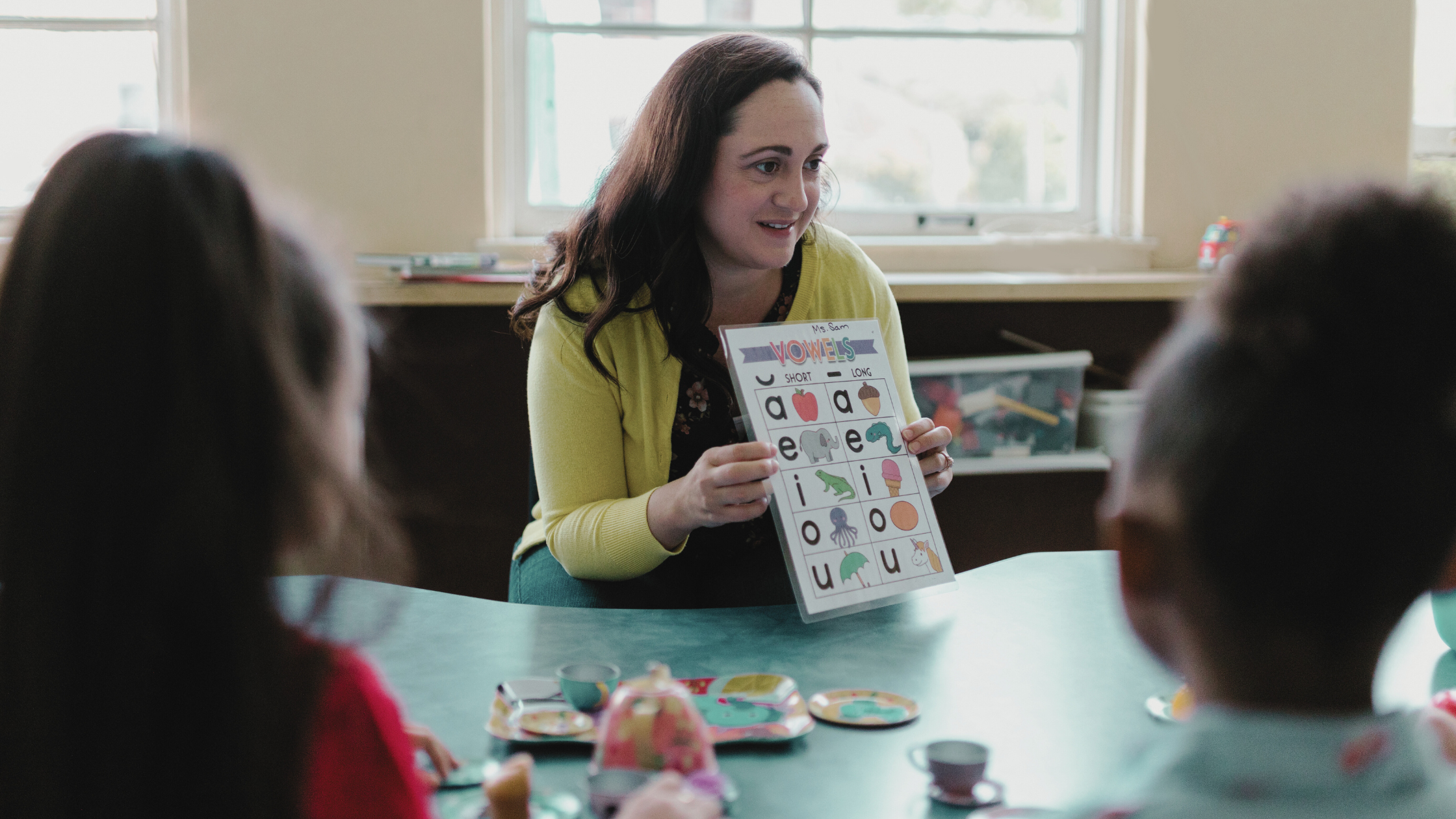
Phonics is simply the connection between letters and the sounds they make. When your child learns that the letter B makes a /b/ sound, and that /b/ is the first sound in "ball" and "butterfly" — that's phonics. It's the bridge between the written word and the spoken word.
For preschoolers, phonics isn't about reading full sentences yet. It's about building awareness — helping your child's ears and eyes begin working together. Think of it as planting seeds before the garden blooms.
The good news? Your child's brain between ages 3 and 5 is wonderfully ready for this kind of discovery. You're not pushing anything early. You're meeting them right where they naturally are.
Why This Season Matters So Much
The preschool years are one of the most important windows for growing the roots of literacy. Research shows that children who develop strong sound awareness early — meaning they can hear and play with the sounds in words — go on to become more confident readers.
This doesn't mean your child needs to be reading before kindergarten. It means that the playful, low-pressure things you do right now are quietly laying a foundation that will support them for years to come.
Every time you read aloud, sing a silly rhyme, or point out the letter on a cereal box, you are doing something that genuinely matters. None of it is wasted.
The Three Building Blocks of Early Phonics
Before letters and sounds can fully connect, your child needs to build three things — and the good news is that all three happen through play.
1. Phonological Awareness — the ability to hear that words are made of sounds. Rhyming, clapping syllables, and playing with silly made-up words all build this skill naturally.
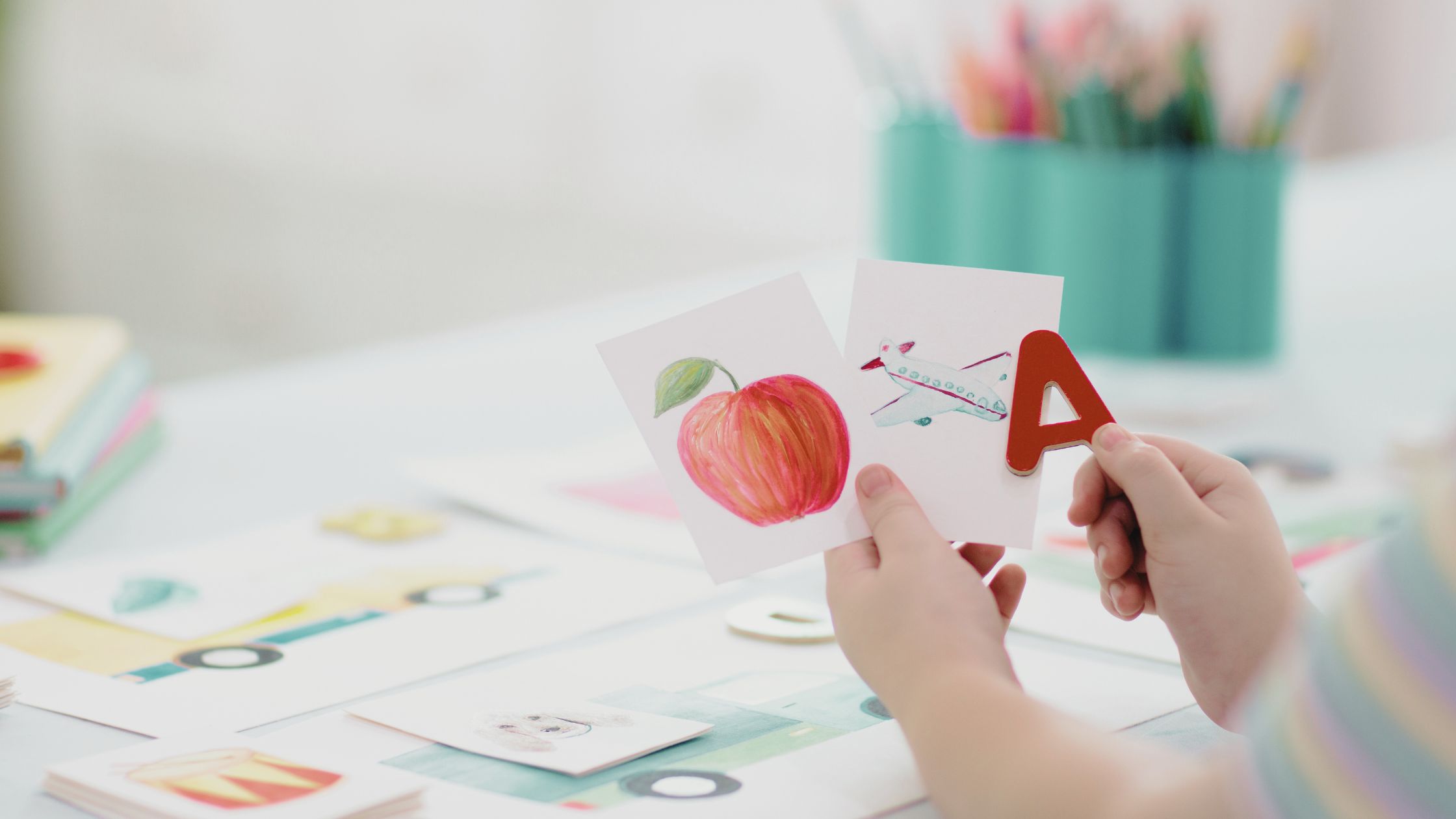
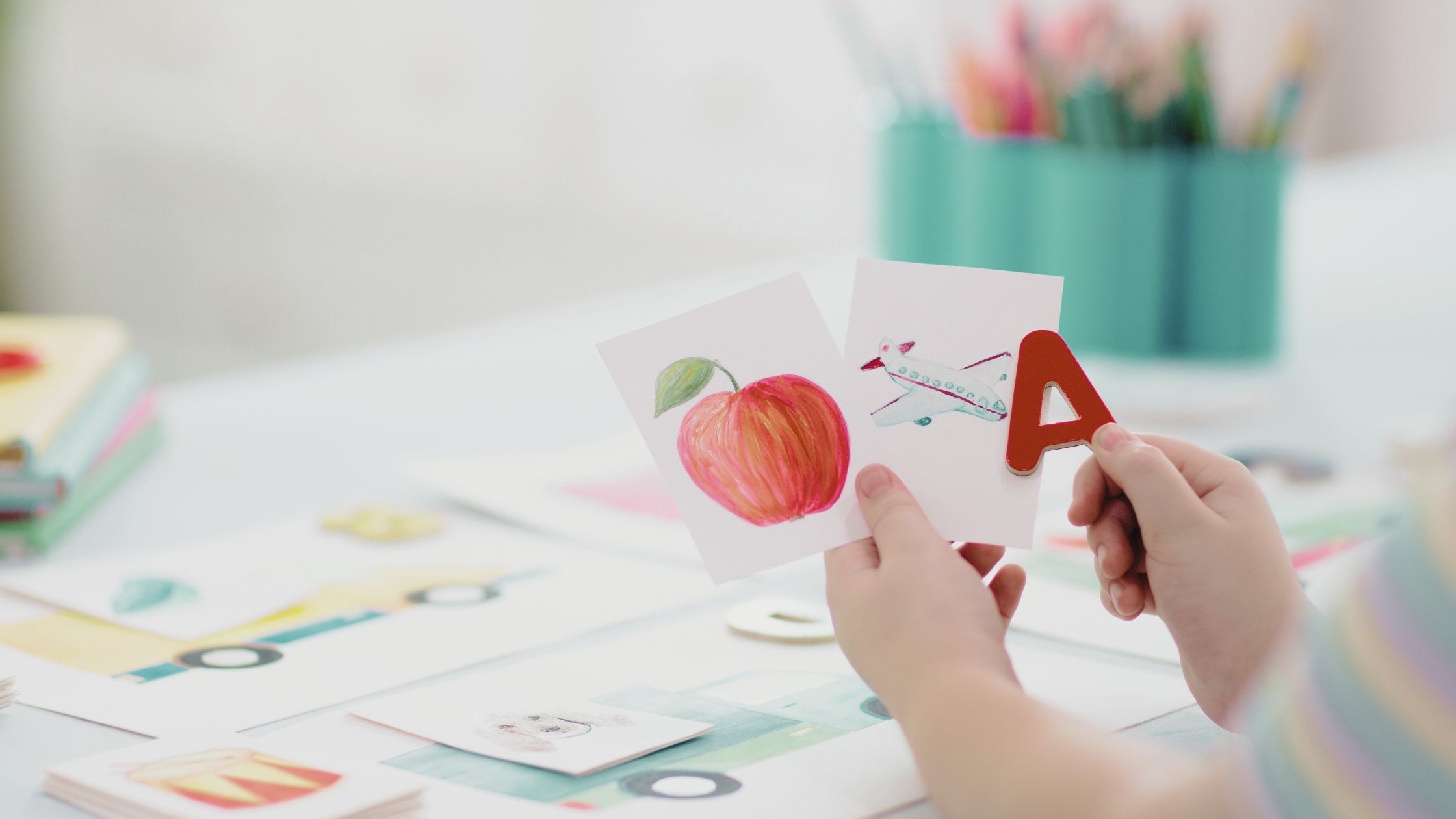
2. Letter Recognition — knowing that each letter has a name and a shape. This grows through books, magnets, sandpaper letters, and everyday moments like spotting a "S" on a stop sign.
3. Sound-Symbol Connection — the moment your child links the letter M to the /m/ sound. This is the heart of phonics, and it comes after the first two are well underway.
You don't need to rush through these in order. They grow together, gradually, like roots spreading quietly underground.
Simple Ways to Teach Phonics for Preschoolers at Home
Here's where the fun begins. You don't need a special kit — just a little intention and these easy starting points.
Start with your child's name. It's the word they care about most. Practice saying it slowly, clapping each syllable, and finding its letters in books or on signs. Name recognition is one of the fastest on-ramps to letter knowledge.
Play "What starts with...?" At dinner, in the car, or during bath time, try: "Can you think of something that starts with the /t/ sound?" Tent, turtle, toes — let them discover. The joy of finding the answer is what makes it stick.
Read the same books over and over. Repetition isn't boredom for a preschooler — it's mastery in progress. When they know a book well, they start noticing the letters on the page. That's the beginning of reading, right there in your lap.
Make letter sounds physical. When you introduce a letter, give it a motion. /S/ is a hissing snake — wiggle your arm. /B/ is a bouncing ball — hop up and down. Movement helps young children hold onto new information in a way that sitting still simply can't.
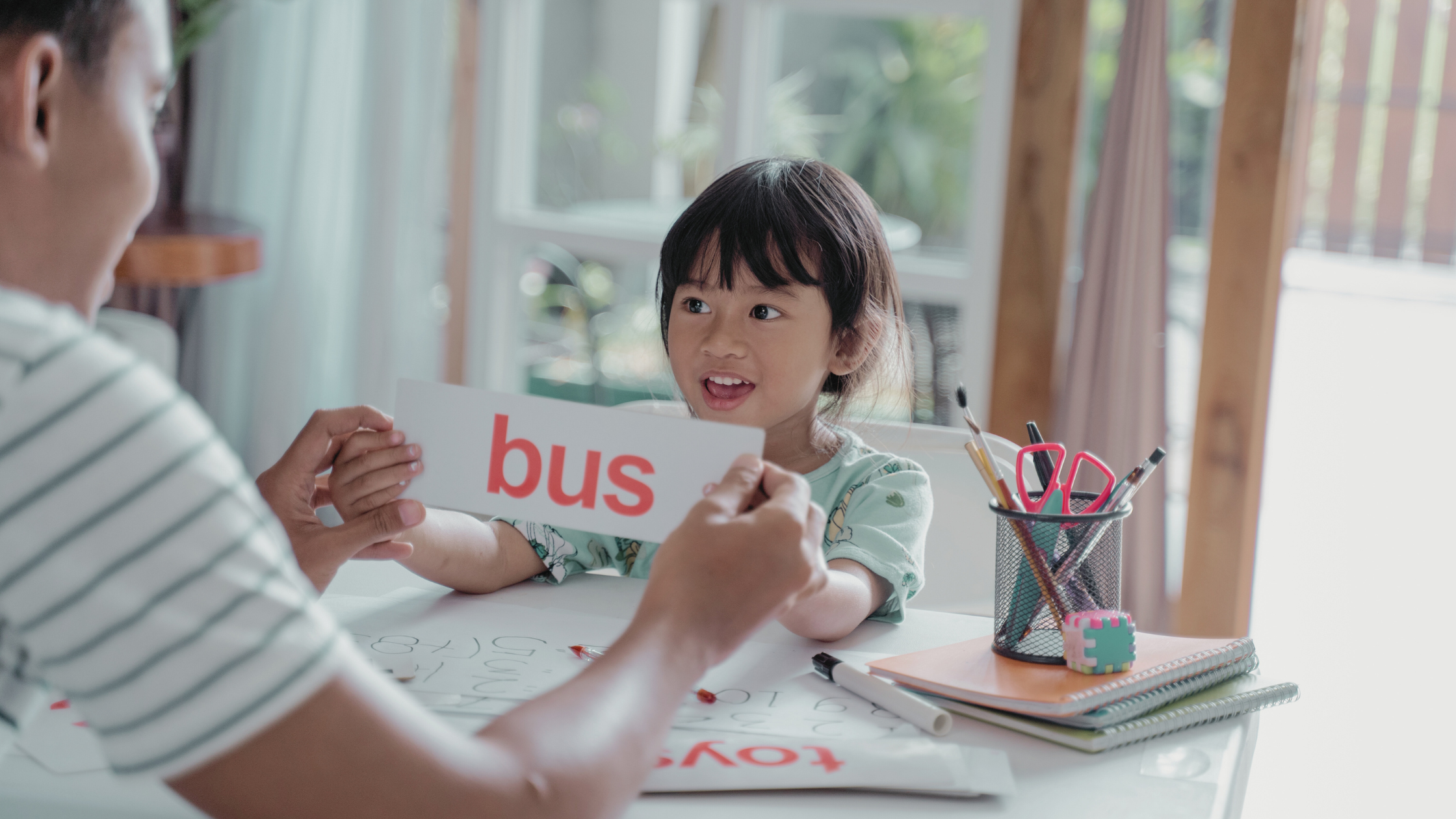
What to Do When It Feels Like Nothing Is Sticking
Some days your child will be completely uninterested in letters, and that is entirely normal. Preschoolers learn in spirals, not straight lines — they circle back, revisit, and suddenly one day it all clicks in a way that takes your breath away.
If your child seems unengaged, lower the stakes completely. Put the activity away and come back tomorrow. Try a different approach — if tracing didn't work, try singing. If singing felt flat, try a game. There is no single right way for a child to discover letters.
Your job isn't to make learning happen on a schedule. Your job is to keep the door open and the atmosphere warm. The seeds you're planting are working, even when you can't see it yet.
Want a Guided Path Through All of This?
This is exactly why we built the Letters & Sounds module inside Evergreen Seeds Club — because we know that understanding what to teach is only half the equation. You also need to know how to make it feel natural and fun for your specific child. Our guided videos walk you through phonics concepts step by step, with activities your child will actually want to do, in a format that fits into your real daily life.
You Are the Right Person for This
You don't need to have all the answers. You don't need a lesson plan or a teaching background. What your child needs most is a grownup who shows up, pays attention, and makes learning feel safe and joyful — and that's already who you are.
Phonics for preschoolers isn't a subject to conquer. It's a season to enjoy together, one small moment at a time. And every single moment you invest in your child's wonder right now? It blooms.
Keep growing, mama (or dad). The roots are deeper than you know.